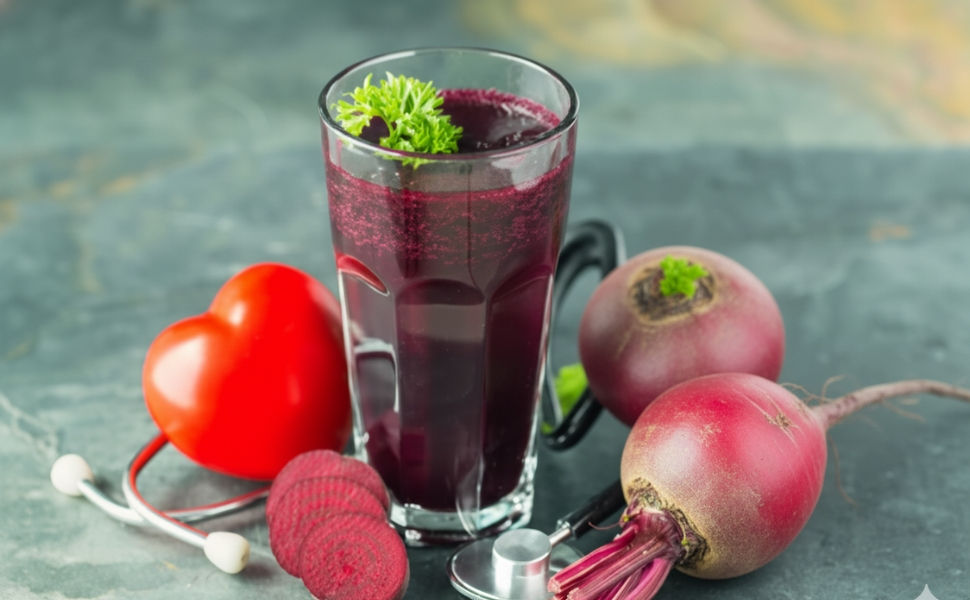
Beetroot Nutrition Facts and Daily Intake Guide
Updated: Oct 29, 2025
Beetroot is far more than a colorful root vegetable — it’s one of nature’s richest sources of nitrates, antioxidants, and essential micronutrients that support circulation, metabolism, and energy.
From vitamins and minerals to betaine and betalains, beetroot offers a unique nutrient profile that promotes long-term cardiovascular and metabolic wellness. This article explains beetroot’s full nutritional composition, its scientifically proven benefits, and practical daily intake guidelines for maintaining heart and overall health.
Direct Answer
Beetroot is rich in nitrates, folate, potassium, betaine, magnesium, and antioxidants. A daily intake of 250–500 ml beetroot juice, 3–5 g powder, or 300–500 mg extract supports blood pressure, circulation, and energy metabolism naturally.

Beetroot Nutrition Overview
Beetroot’s nutrient density comes from its balance of macronutrients, micronutrients, and bioactive compounds. According to the USDA Food Database (2024), a 100-gram serving of raw beetroot provides:
Nutrient | Amount (per 100 g) | Function |
Calories | 43 kcal | Natural energy source |
Carbohydrates | 9.6 g | Provides slow-release energy |
Protein | 1.6 g | Supports tissue repair |
Fiber | 2.8 g | Aids digestion |
Folate (Vitamin B9) | 109 µg (27% DV) | Supports red blood cell formation |
Potassium | 325 mg (7% DV) | Regulates blood pressure |
Magnesium | 23 mg (6% DV) | Muscle and nerve function |
Iron | 0.8 mg (4% DV) | Oxygen transport |
Vitamin C | 4.9 mg (5% DV) | Antioxidant protection |
Betaine | 0.2–0.5 g | Liver detox and methylation |
Nitrates (NO₃⁻) | 250–400 mg | Blood flow and nitric oxide production |
These nutrients work synergistically, making beetroot a rare whole food that supports heart, liver, and energy systems simultaneously.
Key Bioactive Compounds in Beetroot
Nitrates
Beetroot’s nitrates are its signature compound. Once ingested, they convert to nitric oxide, which relaxes blood vessels, improves circulation, and lowers blood pressure. Studies in Hypertension (2015) and Advances in Nutrition (2019) confirm this as the primary mechanism behind beetroot’s cardiovascular benefits.
Betalains
These red and yellow pigments give beetroot its color and antioxidant strength. Betalains protect cells from oxidative stress, reduce inflammation, and may help the liver process toxins more efficiently. A 2021 Nutrients review highlighted betalains as potent natural protectors against oxidative cell damage.
Betaine
Also known as trimethylglycine, betaine supports liver detoxification and methylation processes — essential for breaking down fats and maintaining homocysteine balance in the blood.
Fiber
Beetroot provides soluble fiber, which aids digestion, supports healthy cholesterol levels, and stabilizes post-meal blood sugar.
Together, these compounds explain why beetroot contributes to heart health, detoxification, and energy metabolism beyond its vitamin content alone.
Beetroot and Heart Health
Beetroot’s nitric oxide pathway makes it a key functional food for cardiovascular wellness. By relaxing arterial walls and improving endothelial flexibility, nitric oxide improves blood flow and reduces vascular strain. Potassium and magnesium further enhance these effects by balancing fluid and sodium levels in the body.
Clinical research consistently shows that daily beetroot intake supports healthy blood pressure, with measurable effects seen within 2–4 weeks. For example, The American Heart Association (2016) noted that consuming nitrate-rich vegetables like beetroot can lower systolic pressure by up to 10 mmHg in mild hypertensive adults.
Beetroot for Energy and Exercise
The combination of nitrates and iron helps the body transport oxygen more efficiently. This improves VO₂max (oxygen utilization) during physical activity and reduces fatigue.
A 2020 Journal of Applied Physiology study found that beetroot supplementation enhanced exercise endurance by 15–20%, especially when taken 2–3 hours before workouts. Because beetroot increases nitric oxide, muscles receive oxygen faster, leading to better performance and quicker recovery.
Recommended Daily Intake
How much beetroot you need depends on your form of consumption:
Form | Recommended Daily Intake | Notes |
Fresh Juice | 250–500 ml | Best pre-workout or morning tonic |
Powder | 3–5 g (1–2 tsp) | Easy to mix into smoothies or yogurt |
Capsules | 300–500 mg extract | Consistent and flavor-free option |
Cooked Beets | 1 medium beet (~100 g) | Good for fiber and minerals |
For general heart and energy support, aim for 250–400 mg dietary nitrates per day — the amount naturally provided by these servings.
Consistency matters more than timing: regular intake builds nitric oxide availability and maintains vascular flexibility.
Best Time to Consume Beetroot
Morning: Supports energy and circulation for the day.
Pre-Workout (2–3 hours before): Enhances endurance and oxygen efficiency.
With Meals: Improves nutrient absorption, especially with vitamin C or citrus.
Avoid combining beetroot immediately after using antibacterial mouthwash, which can disrupt nitrate-to-nitric oxide conversion in the mouth.
Who Should Moderate Intake
While beetroot is safe for most adults, moderation is advised for:
People with low blood pressure: Nitrates may amplify hypotensive effects.
Individuals prone to kidney stones: Due to the oxalate content.
Those on blood thinners: Pomegranate or beetroot polyphenols can mildly enhance anticoagulant effects.
Hydration and a balanced diet minimize these risks.
Beetroot in Balanced Nutrition
Beetroot fits well in most dietary frameworks — Mediterranean, DASH, or plant-based diets. Pairing it with greens (for magnesium) and citrus fruits (for vitamin C) enhances absorption and nutrient synergy. Used regularly, beetroot can replace processed pre-workout drinks with a natural source of stamina and vascular support.
Beetroot is a nutritional powerhouse that delivers heart, energy, and detox support in one simple vegetable. Its combination of nitrates, folate, potassium, and antioxidants promotes oxygen efficiency, circulation, and metabolic balance.
By understanding beetroot’s nutrition profile and maintaining a steady daily intake, you can turn this humble root into a cornerstone of long-term cardiovascular wellness. Whether through juice, powder, or supplements, consistency — not quantity — is the key to sustainable benefits.
FAQ
What nutrients are beetroot high in?
Beetroot is rich in nitrates, folate, potassium, betaine, magnesium, and antioxidants like betalains.
How much beetroot should I eat daily?
About 250–500 ml of juice, 3–5 g powder, or 300–500 mg extract provides optimal heart and energy benefits.
Does cooking reduce beetroot’s nutrients?
Slightly, but most minerals and betaine remain stable. Cooking mainly reduces nitrate content.
Can I take beetroot every day?
Yes. Studies show daily use supports blood pressure, stamina, and liver function safely.
Is beetroot high in sugar?
It contains natural sugars but has a low glycemic index, making it suitable for balanced diets.
References
USDA FoodData Central (2024). Beetroot Nutrition Profile.
Hypertension (2015). Dietary Nitrates and Blood Pressure Reduction.
Nutrients (2021). Betalain Antioxidants and Cellular Protection.
Journal of Applied Physiology (2020). Beetroot and Oxygen Efficiency in Exercise.
American Heart Association (2016). Nitrate-Rich Vegetables and Vascular Function.