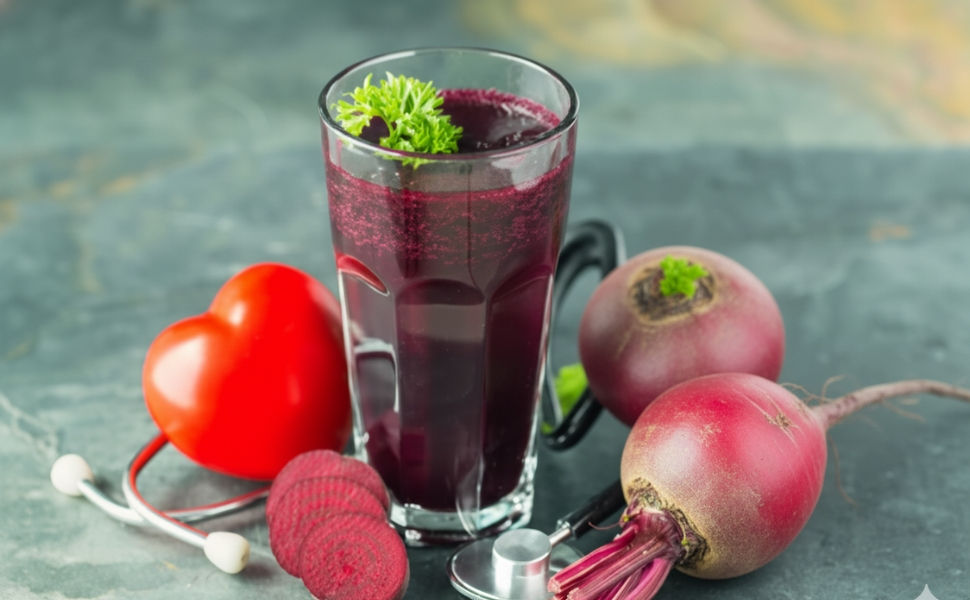
The Hidden Power of Beetroot: How This Simple Root Supports Heart, Energy, and Detox Naturally
Updated: Oct 23, 2025
Beetroot (Beta vulgaris) has been part of traditional diets for centuries — valued for its natural sweetness, deep red color, and ability to energize the body. Today, modern science confirms what many cultures have known all along: this humble root vegetable is a powerhouse of nutrients and bioactive compounds that can benefit the heart, circulation, liver, and brain.
Researchers have increasingly focused on beetroot’s unique combination of nitrates, antioxidants, and polyphenols, which influence everything from blood pressure regulation to athletic performance. For those seeking natural ways to support cardiovascular and overall health, beetroot is more than a colorful food — it’s a scientifically supported functional ingredient.

What Does Beetroot Do for the Body?
Beetroot helps the body by enhancing nitric oxide production, which improves blood flow and oxygen delivery to tissues. It also provides essential micronutrients such as folate, potassium, and magnesium, along with antioxidant compounds known as betalains that help reduce oxidative stress. Together, these effects contribute to improved heart health, endurance, liver detoxification, and cellular protection.
Beetroot and Heart Health: How Nitric Oxide Makes a Difference
Among the most studied benefits of beetroot is its ability to support cardiovascular health naturally. Beetroot is rich in inorganic nitrates, which the body converts into nitric oxide (NO) — a signaling molecule that relaxes and widens blood vessels, improving circulation and reducing blood pressure.
A controlled trial published in The Journal of Nutrition (2021) found that adults who drank beetroot juice daily for four weeks experienced significant reductions in both systolic and diastolic blood pressure compared to the placebo group. Researchers observed improved vascular elasticity — a sign of better endothelial function.
Nitric oxide also helps prevent arterial stiffness and may reduce the workload on the heart. Because of these mechanisms, beetroot is now considered one of the best plant-based sources for promoting healthy blood flow and vascular integrity.
In summary: regular beetroot intake — whether through juice, powder, or capsules — can help maintain normal blood pressure and overall cardiovascular function when combined with a balanced diet and active lifestyle.
Beetroot for Energy, Stamina, and Exercise Performance
One of the most fascinating findings in modern nutrition is how dietary nitrates from beetroot enhance oxygen efficiency during exercise. Essentially, beetroot allows the body to do more with less oxygen, meaning muscles can sustain activity longer before fatigue.
In a meta-analysis published in Sports Medicine (2018), athletes who consumed beetroot juice before workouts showed measurable improvements in time-to-exhaustion, endurance, and overall performance. The study explained that nitric oxide reduces the oxygen cost of physical activity — helping the body perform more efficiently.
That’s why beetroot has become a natural pre-workout favorite among runners, cyclists, and active individuals. A glass of beetroot juice (around 250–500 ml) or a teaspoon of beetroot powder taken 2–3 hours before exercise can optimize nitric oxide levels right when the body needs it most.
Fun fact: this same mechanism benefits not just athletes but also older adults or those with lower energy levels, improving stamina in daily activities.
Liver Detoxification and Metabolic Support
Beetroot also supports one of the body’s most important organs — the liver. Its bright color comes from betaines, compounds that help the liver process fats, produce bile, and detoxify waste more effectively. Betaine also helps regulate homocysteine levels, which are linked to heart and liver health.
A review in Nutrients (2021) concluded that betaine from beetroot protects liver cells from oxidative stress and supports lipid metabolism — helping prevent fatty liver accumulation. This explains why beetroot is frequently used in detox beverages and wellness blends focusing on metabolic balance.
Additionally, the fiber in beetroot supports healthy digestion by promoting beneficial gut bacteria and improving bowel regularity — key for toxin elimination.
Beetroot and Brain Function
Beyond circulation and detoxification, beetroot’s nitric oxide boost extends to cognitive health. Better blood flow to the brain means improved delivery of oxygen and nutrients to neurons, which may enhance focus, mental clarity, and memory.
In a study conducted by Wake Forest University (2017), older adults who consumed beetroot juice before moderate exercise showed greater blood flow to the frontal lobe — the area involved in decision-making and attention. Researchers noted that this combination of exercise and beetroot consumption may mimic brain activity patterns seen in younger individuals.
While beetroot isn’t a replacement for medical treatment, including it regularly in a diet rich in plant-based foods may support long-term brain function and resilience.
Antioxidants and Anti-Inflammatory Protection
Beetroot’s vibrant red pigment is not just for appearance — it’s a visual indicator of betalains, a group of antioxidants unique to beets. These compounds help neutralize harmful free radicals and reduce inflammation at the cellular level.
A study in Food Chemistry (2020) found that betalains from beetroot significantly reduced oxidative markers and protected cells from lipid peroxidation. This antioxidant effect contributes to slower aging, improved skin health, and reduced risk of chronic diseases like type 2 diabetes or heart disease.
Moreover, beetroot’s natural antioxidants work synergistically with vitamin C, manganese, and polyphenols, making it one of the most well-rounded plant-based protectors against oxidative stress.
Nutritional Profile: What’s Inside Beetroot?
Beetroot provides a powerful mix of vitamins, minerals, and phytonutrients — all in a low-calorie package.
Nutrient (per 100g raw beetroot) | Amount | Function |
Calories | 43 kcal | Provides energy without excess sugar |
Carbohydrates | 9.6 g | Natural glucose for quick energy |
Fiber | 2.8 g | Supports digestion and gut health |
Protein | 1.6 g | Contributes to tissue repair |
Folate (Vitamin B9) | 109 µg (27% DV) | Essential for red blood cell formation |
Potassium | 325 mg (9% DV) | Helps regulate blood pressure |
Magnesium | 23 mg | Supports muscle and nerve function |
Nitrates | 250–500 mg (varies) | Boosts nitric oxide production |
Vitamin C | 4.9 mg | Enhances antioxidant defense |
This profile shows why beetroot supports multiple systems in the body simultaneously — cardiovascular, muscular, digestive, and neurological.
Different Forms of Beetroot and How to Use Them
Beetroot Juice
Beetroot juice is one of the fastest ways to raise nitric oxide levels. Studies show that plasma nitrate levels peak 2–3 hours after consumption. A glass (250–500 ml) of fresh or cold-pressed juice can be taken once daily. For better taste and nutrient diversity, it can be blended with apple, lemon, or carrot juice.
Beetroot Powder
Beetroot powder offers the same benefits in a convenient form. It retains most of the betalains and nitrates from the fresh root and can be added to smoothies, oatmeal, or even baked goods. Typical serving: 3–5 grams per day. It’s ideal for people seeking steady nitric oxide support without the sugar content found in juice.
Beetroot Capsules or Gummies
For consistent dosing, beetroot extract in capsule form provides a standardized amount of active compounds. A common daily serving is 300–500 mg beetroot extract, depending on product concentration. When choosing supplements, look for cGMP-certified and third-party tested options to ensure quality and safety — a principle aligned with Herbpy’s manufacturing standards.
Side Effects and Safety Considerations
Beetroot is safe for most people when consumed in normal dietary amounts, but some considerations apply:
Kidney stones: Beetroot is high in oxalates, which can contribute to stone formation in susceptible individuals.
Low blood pressure: Those taking medication for hypertension should monitor levels to avoid excessive lowering.
Beeturia: Pink or red urine after beet consumption is harmless and temporary.
People with kidney disease, diabetes, or those on anticoagulant medications should discuss with a healthcare provider before using beetroot supplements regularly.
Recommended Daily Intake
While there is no official Recommended Dietary Allowance (RDA) for beetroot, most research supports:
Juice: 250–500 ml per day
Powder: 3–5 grams per day
Capsules: 300–500 mg standardized extract
Consistency is key. Nitrate and antioxidant benefits accumulate over time, typically showing results after one to two weeks of regular use.
How to Add Beetroot to Your Diet
Incorporating beetroot into daily meals is simple and versatile:
Add roasted beet slices to salads or grain bowls.
Blend beetroot with ginger, lemon, and apple for a refreshing detox juice.
Use beetroot powder in smoothies or energy bars.
Try beet hummus as a colorful, nutrient-rich snack.
Cooking slightly reduces nitrate levels, but the root remains a valuable source of fiber, folate, and antioxidants.
Beetroot is one of nature’s most nutrient-dense and research-backed superfoods. Its combination of nitrates, antioxidants, and essential micronutrients offers measurable benefits for the heart, liver, brain, and muscles.
From improving endurance to supporting blood pressure and detoxification, beetroot’s power lies in its simplicity and versatility. Whether you prefer fresh juice, concentrated powder, or convenient capsules, consistent intake can be a meaningful addition to your long-term wellness plan.
Science continues to reveal new aspects of beetroot’s potential — and one thing remains clear: this vibrant root does far more than add color to your plate; it nourishes nearly every system in your body.
FAQ
What are the main health benefits of beetroot?
Beetroot supports heart health, lowers blood pressure, boosts stamina, enhances liver detoxification, and provides antioxidants that protect against oxidative stress.
Can I drink beetroot juice every day?
Yes. Daily consumption of 250–500 ml of beetroot juice is safe for most adults and beneficial for nitric oxide production and blood flow.
Are beetroot powder and juice equally effective?
Both provide nitrates and betalains. Powder offers convenience and less sugar, while juice provides hydration and faster nitrate absorption.
Who should avoid beetroot?
Individuals with kidney stones, low blood pressure, or certain medical conditions should consult a healthcare professional before frequent use.
When is the best time to take beetroot?
For energy and blood flow, consume beetroot or its supplement 2–3 hours before exercise or in the morning to support circulation throughout the day.
References
The Journal of Nutrition (2021). Daily Beetroot Juice and Blood Pressure Reduction: A Randomized Controlled Trial.
Sports Medicine (2018). Effects of Dietary Nitrate Supplementation on Exercise Performance.
Nutrients (2021). Betaine from Beetroot and Liver Health: Clinical and Mechanistic Insights.
Food Chemistry (2020). Antioxidant Activity of Betalains and Polyphenols in Beetroot Extracts.
Wake Forest University (2017). Beetroot Juice Enhances Cerebral Blood Flow in Older Adults During Exercise.