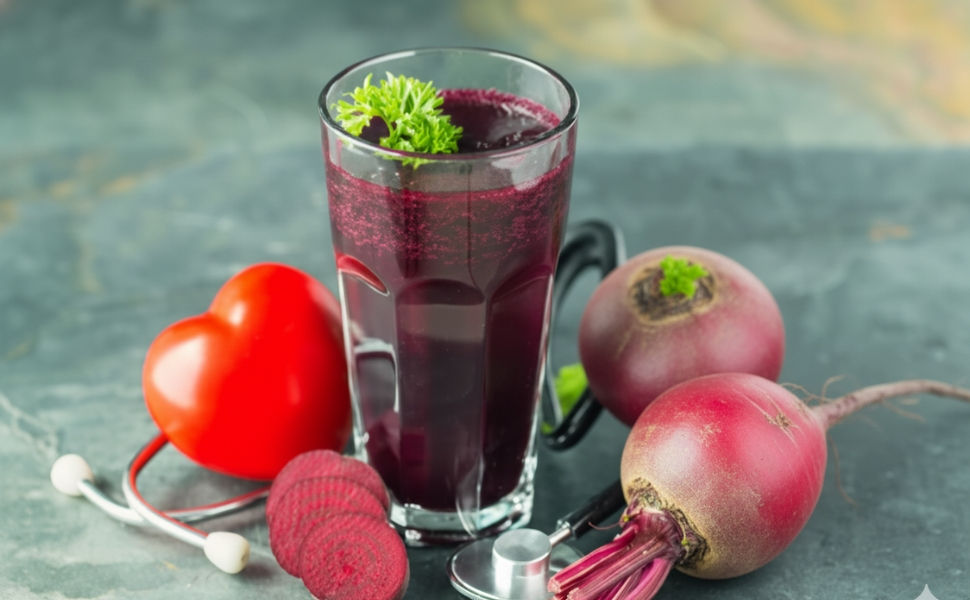
Beetroot Juice Benefits: What Science Says
Updated: Oct 22, 2025
Beetroot juice has become a popular wellness drink in recent years, but its reputation goes far beyond trends. Known for its deep red color and naturally sweet, earthy flavor, beetroot juice delivers a combination of nitrates, antioxidants, and essential minerals that actively support cardiovascular, metabolic, and exercise performance health.
Scientific research now provides clear evidence of how this simple drink can influence nitric oxide production, improve oxygen delivery, and promote overall vitality. This article explores what the science says — and how to make beetroot juice a meaningful part of your daily wellness plan.

Direct Answer
Beetroot juice supports blood pressure regulation, heart health, and physical endurance by increasing nitric oxide production and enhancing oxygen efficiency. Studies show that drinking beetroot juice can lower systolic blood pressure by 4–10 mmHg and improve exercise performance in both athletes and non-athletes.
How Beetroot Juice Works in the Body
The main reason beetroot juice is so effective lies in its natural nitrate content. Once consumed, dietary nitrates are converted into nitric oxide (NO) — a molecule that widens blood vessels, improving blood flow and oxygen delivery throughout the body.
This process not only helps regulate blood pressure but also enhances how efficiently the muscles use oxygen. The result is better cardiovascular function and improved stamina, both for athletes and for anyone seeking to boost everyday energy naturally.
A study published in Hypertension (2015) demonstrated that participants who drank 250 ml of beetroot juice daily experienced a 7.7 mmHg reduction in systolic blood pressure within four weeks — an effect comparable to some lifestyle-based interventions.
Heart and Blood Pressure Support
Beetroot juice is among the few natural sources proven to help lower blood pressure through a non-drug mechanism. Its nitrates improve endothelial function, supporting blood vessel elasticity and reducing arterial stiffness.
Research from The American Heart Association confirms that beetroot juice can be a helpful dietary approach to managing mild hypertension. Participants in controlled trials showed improved vascular compliance and reduced oxidative stress markers after regular intake.
Beetroot’s potassium and folate content also play supportive roles in maintaining cardiovascular balance, helping the body manage sodium levels and promoting normal blood formation.
Boosting Energy and Exercise Endurance
Athletes often rely on beetroot juice as a natural pre-workout supplement — and for good reason. The nitric oxide boost from beetroot enhances oxygen utilization in muscles, delaying fatigue and improving endurance.
In a systematic review published in Sports Medicine (2018), individuals consuming beetroot juice 2–3 hours before exercise improved their time-to-exhaustion and VO₂ max efficiency. This means the body requires less oxygen to perform the same level of work — a clear advantage for both trained and recreational exercisers.
For most people, drinking 250–500 ml of beetroot juice about 2 hours before physical activity can help maximize nitrate conversion to nitric oxide.
Detoxification and Liver Function Support
Beetroot juice also contributes to liver detoxification due to its high concentration of betalains and betaine, compounds known to protect liver cells from oxidative damage. These compounds promote the breakdown of fats and help the liver process toxins more efficiently.
A review in Nutrients (2021) reported that beetroot-derived betaine supports lipid metabolism and reduces liver fat accumulation, making it a valuable addition to detox-focused diets.
Although beetroot juice is not a liver “cleanser” in the medical sense, it supports the organ’s natural detox pathways and overall metabolic function.
Cognitive and Blood Flow Benefits
Improved circulation from nitric oxide production doesn’t stop at the heart. Beetroot juice also enhances blood flow to the brain, supporting mental clarity and cognitive function.
In a 2017 study from Wake Forest University, older adults who consumed beetroot juice before exercise demonstrated greater blood flow to brain regions associated with memory and attention. This suggests that regular intake could help maintain healthy cognitive performance as part of a nutrient-rich diet and active lifestyle.
How to Use Beetroot Juice Effectively
Recommended Amount
Daily dose: 250–500 ml of fresh or cold-pressed beetroot juice
Timing: 2–3 hours before exercise or during the morning for general health
Duration: Effects are cumulative; consistent use for several weeks yields optimal benefits
Preparation Tips
Combine with apple, carrot, or lemon for improved flavor.
Consume soon after juicing to preserve nitrates and antioxidants.
Store in glass containers if refrigerating to maintain freshness.
Safety and Possible Side Effects
Beetroot juice is safe for most people, but should be consumed mindfully.
Beeturia: Harmless pink or red urine after drinking beet juice.
Kidney stones: Those prone to oxalate stones should limit intake.
Low blood pressure: People taking antihypertensive medication should monitor their levels.
Always consult a healthcare provider before consuming beetroot juice regularly if you have kidney, heart, or metabolic conditions.
Summary of Benefits
Category | Scientific Effect | Key Mechanism |
Heart Health | Lowers blood pressure, improves vessel elasticity | Nitric oxide (NO) production |
Exercise Performance | Enhances endurance, delays fatigue | Improves oxygen efficiency |
Liver Function | Supports detox pathways | Betaine and betalains |
Cognitive Health | Boosts brain blood flow | Vasodilation via NO |
Antioxidant Defense | Fights oxidative stress | Polyphenols and betalains |
Beetroot juice is one of the few natural beverages that combines strong scientific backing with real physiological benefits. Its nitrates, antioxidants, and betaine work together to improve circulation, endurance, and cellular protection — without synthetic additives.
Regularly incorporating beetroot juice into a balanced diet can support long-term cardiovascular and metabolic health. Whether used as a morning tonic or a pre-workout drink, it remains one of the most evidence-supported plant-based ways to energize the body naturally.
FAQ
How much beetroot juice should I drink per day?
Most studies recommend 250–500 ml daily to improve blood flow and support endurance.
When is the best time to drink beetroot juice?
About 2–3 hours before exercise or in the morning to optimize nitric oxide production.
Can beetroot juice really lower blood pressure?
Yes. Research shows that daily intake can reduce systolic blood pressure by up to 10 mmHg in some individuals.
Does beetroot juice help with liver detox?
It supports liver enzyme activity and fat metabolism, but should be part of an overall healthy diet.
Who should avoid beetroot juice?
People with kidney stones or low blood pressure should consult their doctor before regular use.
References
Hypertension Journal (2015). Effects of Daily Beetroot Juice Intake on Blood Pressure.
American Heart Association (2016). Dietary Nitrates and Cardiovascular Function.
Sports Medicine (2018). Systematic Review of Beetroot Juice on Exercise Endurance.
Nutrients (2021). Betaine and Liver Health: Mechanistic Review.
Wake Forest University (2017). Beetroot Juice and Cerebral Blood Flow in Older Adults.