EBT Eligible Products in U.S. E-Commerce
Updated: Feb 2
In recent years, SNAP EBT has expanded beyond physical grocery stores and into the digital marketplace. Today, millions of households in the United States can use their EBT benefits to purchase eligible food items online bringing greater convenience, access, and choice to everyday grocery shopping.
To understand why certain herbs and spices such as cloves are eligible under SNAP, it is first necessary to understand where EBT is accepted online, what types of products qualify, and how consumers actually purchase EBT-eligible items through e-commerce platforms.

What Is EBT in Online Grocery Shopping
EBT (Electronic Benefits Transfer) is the payment system used to distribute benefits from the Supplemental Nutrition Assistance Program (SNAP). SNAP benefits are restricted to eligible food items intended for home consumption.
When SNAP moved into online retail, the rules did not change only the purchasing channel did.
Key principles remain the same:
Only USDA approved retailers may accept EBT online
Only SNAP eligible food items may be purchased
Delivery fees, tips, and non-food items must be paid separately
Online EBT purchasing is designed to mirror in store rules while improving accessibility.

Online Platforms That Accept EBT
Amazon
Amazon was the first major e-commerce platform to roll out SNAP EBT nationwide and remains the most widely used.
Learn more about using SNAP EBT on Amazon: https://amazon.com/snap
On Amazon:
EBT cards can be securely linked to a user account
Eligible items are clearly labeled “SNAP EBT eligible”
Grocery categories are separated from non-eligible products
Representative EBT eligible products on Amazon:
Long-grain white rice
Dry black beans
Whole culinary spices such as cinnamon sticks or cloves
Amazon’s system automatically prevents EBT funds from being applied to non-eligible items at checkout.
Walmart
Walmart supports SNAP EBT for online grocery pickup and delivery in many locations across the U.S.
View Walmart’s SNAP EBT online grocery program: https://www.walmart.com/cp/snap-online/1465096
Key characteristics:
Strong emphasis on staple foods and pantry items
Conservative compliance with USDA eligibility rules
Clear distinction between food and non-food categories
Representative EBT eligible products at Walmart:
Fresh milk and eggs
Rolled oats
Ground spices sold for cooking, including cloves
Availability may vary by region, but product eligibility standards remain consistent.
Instacart (Through Participating Retailers)
Instacart accepts EBT through select partner grocery stores, not as a direct retailer itself.
Check Instacart’s SNAP EBT participation details: https://www.instacart.com/ebt-snap
Important notes:
EBT acceptance depends on the store selected
Not all regions or retailers participate
Eligibility rules are identical to in-store SNAP rules
Representative EBT eligible products via Instacart:
Fresh produce
Dried lentils and beans
Pantry spices used in cooking
Regional and Grocery Chain Platforms
In addition to national platforms, several grocery chains offer SNAP EBT online purchasing in select states, including:
Aldi
Kroger
Safeway / Albertsons
These platforms typically focus on essential grocery items rather than specialty products.
What Types of Products Are Commonly EBT Eligible?
Across platforms, EBT-eligible products fall into well-defined categories:
Fruits and vegetables (fresh, frozen, canned)
Meat, poultry, and fish
Dairy products
Bread, grains, and cereals
Pantry staples and dry goods
Herbs and spices used in home cooking
It is this final category often overlooked that becomes especially relevant when discussing traditional culinary herbs.

Representative EBT Eligible Products
To clarify how EBT eligibility appears in practice, here are a few representative product types commonly approved across platforms:
White Rice (Dry, Uncooked)
A staple grain, universally eligible under SNAP.
Dry Beans or Lentils
Shelf-stable protein sources used in home cooking.
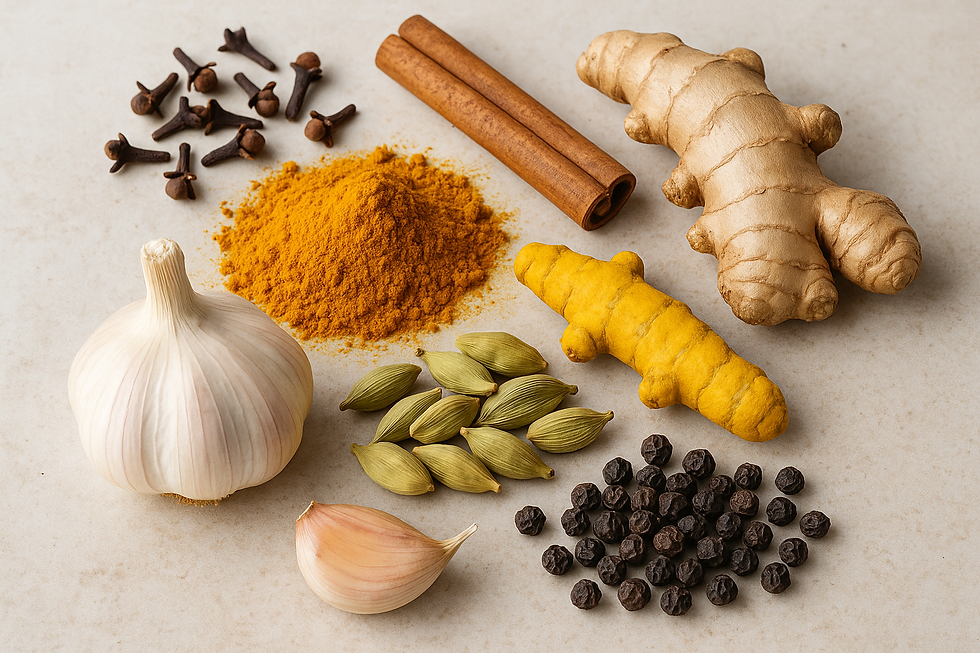
Culinary Spices (Food-Labeled)
Including items such as ground cinnamon, black pepper, and whole cloves when sold strictly as food ingredients.
These examples illustrate that EBT eligibility is not limited to basic calories alone, but extends to ingredients that support daily meal preparation.
How to Buy EBT Eligible Products Online
While each platform has small variations, the purchasing process generally follows the same steps:
Link your EBT card to your online account
Shop within grocery or food categories
Look for labels such as “SNAP EBT eligible”
Add eligible items to your cart
Apply EBT balance at checkout for food items
Pay separately for delivery fees or non-eligible products
This structure ensures SNAP benefits are used strictly for approved food purchases.
From Staple Foods to Culinary Herbs
As SNAP EBT continues to expand across U.S. e-commerce platforms, eligibility is no longer limited to basic staples like rice or bread. Culinary herbs and spices, when properly classified and labeled as food, are fully recognized under SNAP guidelines.
Among these ingredients, cloves stand out not because they are unusual, but because they are often misunderstood. Understanding why cloves are EBT eligible requires a closer look at food classification, product labeling, and the distinction between culinary use and supplementation.

What Are Cloves in the Context of SNAP?
Cloves are the dried flower buds of the clove tree (Syzygium aromaticum) and have been used for centuries as a culinary spice across global food traditions. In the United States, cloves are primarily sold in three food formats:
Whole cloves
Ground cloves
Culinary clove blends used in cooking
From a regulatory perspective, these forms are treated as conventional food ingredients, not supplements or medicinal products.
This distinction is essential.
Under SNAP rules, any edible item intended for home food preparation and consumption qualifies as food, provided it is not marketed or formulated as a supplement.
Culinary cloves meet this requirement directly.

Why Cloves Are EBT Eligible
Cloves are considered EBT eligible because they satisfy all core SNAP food criteria:
Edible food ingredient
Cloves are consumed as part of prepared meals, baked goods, and beverages.
Used in home cooking
SNAP explicitly supports ingredients used to prepare food at home.
Not a supplement
Cloves sold as spices do not carry Supplement Facts panels or dosage claims.
Shelf-stable pantry item
Like salt, pepper, or cinnamon, cloves are categorized as dry grocery goods.
As long as the product is labeled and marketed as food, cloves are treated no differently from other spices already accepted under SNAP.
Food vs. Supplement: The Line That Matters
The most common source of confusion around clove eligibility is product positioning, not the ingredient itself.
Cloves become non-EBT eligible only when they are sold as:
Capsules or tablets
Extracts with medicinal claims
Products labeled with “Supplement Facts”
Items marketed for therapeutic dosing
In contrast, cloves remain EBT eligible when sold as:
Whole or ground spice
Culinary herb
Ingredient for cooking or baking
Food-labeled product with Nutrition Facts (or standard food labeling)
This distinction is enforced at the platform and retailer level, not by consumer interpretation.

Where Cloves Are Sold as EBT-Eligible Online
Amazon
On Amazon, cloves are EBT eligible when they appear in the grocery category and are labeled “SNAP EBT eligible.”
Typical eligible formats include:
Whole cloves in spice jars or resealable bags
Ground cloves are sold as baking or cooking ingredients
Products marketed as herbal remedies or supplements are automatically excluded.
Walmart
Walmart offers EBT-eligible cloves primarily through:
Online grocery pickup
Select delivery options
Culinary spice jars and bulk ground cloves are eligible when sold strictly as food.
Instacart (Participating Retailers)
Through participating grocery stores, Instacart allows EBT purchases of:
Whole spices
Ground cloves are used in cooking
Eligibility depends on the retailer selected, but SNAP rules remain consistent.
How to Identify EBT Eligible Clove Products
When shopping online, consumers can confidently identify eligible clove products by checking for the following signals:
Located in the Grocery / Pantry / Spices categories
Labeled as “SNAP EBT eligible.”
No health claims or medicinal language
No Supplement Facts panel
Described as “whole cloves,” “ground cloves,” or “culinary spice”
Platforms automatically restrict EBT usage on non-eligible items at checkout.
How to Buy Cloves with EBT: Step-by-Step
Add your EBT card to your account on a supported platform
Navigate to grocery or spice categories
Search for cloves and filter by EBT eligibility if available
Add eligible clove products to your cart
Use EBT balance to pay for food items
Pay delivery fees separately if required
This process mirrors standard SNAP rules applied in physical grocery stores.

Why Culinary Herbs Matter in SNAP Food Access
SNAP is not designed solely to provide calories it is intended to support real cooking, cultural food traditions, and balanced meals.
Herbs and spices like cloves:
Enhance simple staple foods
Support diverse cuisines
Encourage home cooking
Improve meal satisfaction without increasing cost
Including culinary spices within EBT eligibility reflects the reality of how households cook and eat.
Cloves and the Future of EBT-Eligible Herbal Foods
As online grocery platforms mature, food-based herbs are becoming more visible and accessible to SNAP users. Cloves represent a broader category of traditional plant ingredients that belong firmly in the food system not the supplement aisle.
For brands, retailers, and consumers alike, the key is clarity:
Clear food labeling
Honest culinary positioning
Compliance with SNAP definitions
When those conditions are met, cloves are and remain fully EBT eligible.
Closing Thought
At Herbpy, we view herbs first as food rooted in kitchens, culture, and everyday cooking. Cloves are a perfect example of how traditional ingredients continue to fit naturally within modern food access systems like SNAP EBT.
FAQ
Are cloves EBT eligible under SNAP?
Yes. Cloves are EBT eligible when sold as a food product, such as whole cloves or ground cloves intended for cooking or baking. As long as the product is labeled and marketed as a culinary spice and not as a supplement it qualifies under SNAP food guidelines.
Why are some clove products not EBT eligible?
Clove products become non-EBT eligible when they are classified as dietary supplements rather than food.
This typically applies to:
Clove capsules or tablets
Liquid extracts marketed with health or therapeutic claims
Products labeled with a “Supplement Facts” panel
Eligibility depends on how the product is classified and labeled, not on the ingredient itself.
Can I buy cloves with EBT online?
Yes. Many major online grocery platforms allow SNAP EBT purchases of eligible clove products. Availability depends on the platform, the retailer, and whether the product is clearly marked as EBT eligible.
Which online platforms sell EBT eligible cloves?
Common platforms include:
Amazon (SNAP EBT eligible grocery items)
Walmart (online grocery pickup and delivery where available)
Instacart (through participating grocery retailers)
Each platform clearly labels eligible items and restricts EBT usage automatically at checkout.
How can I tell if a clove product is EBT eligible before buying?
Look for these indicators:
The item appears in the grocery or spice category
It is labeled “SNAP EBT eligible”
It is sold as whole or ground cloves for cooking
It does not include health claims or supplement labeling
If a product is not eligible, the platform will not allow EBT payment for it.
Are organic or bulk cloves also EBT eligible?
Yes. Organic cloves and bulk-packaged cloves are EBT eligible as long as they are sold as food and meet SNAP labeling requirements. Organic certification does not affect eligibility.
Can EBT be used to pay for shipping or delivery fees?
No. SNAP EBT benefits can only be used to pay for eligible food items. Delivery fees, service charges, tips, and taxes must be paid using another payment method.
References
United States Department of Agriculture, Food and Nutrition Service. (2024). Supplemental Nutrition Assistance Program (SNAP): Eligible food items.
United States Department of Agriculture, Food and Nutrition Service. (2024). SNAP retailer eligibility and authorized food definitions.
Amazon.com, Inc. (2024). Use SNAP EBT to pay for eligible food on Amazon.
Walmart Inc. (2024). SNAP EBT eligible food purchases on Walmart.com.
U.S. Food and Drug Administration. (2023). Dietary supplements versus conventional foods.