
Wellness in Early 2026: A Seasonal Shift Toward Simple, Integrated Living
As 2026 begins, health and wellness conversations across the United States feel noticeably different from previous years. Instead of bold promises or rigid routines, recent reporting points toward a quieter and more grounded approach. Wellness is no longer framed as a goal to chase, but as a rhythm to live with.
This shift reflects a growing desire for habits that feel realistic, flexible, and supportive of everyday life. Rather than seeking transformation through intensity, many people are turning toward small, consistent choices that align with seasonal changes and personal energy levels.
Early 2026 feels less about doing more and more about doing what fits.
What Is Shaping Wellness Conversations Right Now
A review of recent U.S. health and lifestyle articles published over the past week reveals a shared emphasis on balance. Writers and experts are encouraging readers to step away from rigid frameworks and return to foundational habits that support daily life.
Across current coverage, wellness is increasingly described as something to understand rather than optimize. Several themes appear repeatedly:
Simplicity is valued over complexity
Consistency is preferred over intensity
Awareness is emphasized over strict rules
This shift suggests that wellbeing grows through attentiveness and repetition. Instead of asking how to improve faster, people are asking how to feel more stable and supported across changing seasons.
A Return to Everyday Simplicity
One of the clearest patterns in recent wellness writing is a renewed appreciation for uncomplicated routines. Rather than following strict plans or labels, readers are being encouraged to notice how daily habits feel in real life.
This return to simplicity often includes:
Eating meals that feel satisfying rather than prescriptive
Allowing routines that support rest without guilt
Choosing movement that feels natural and adaptable
Wellness is increasingly framed as something that fits into life rather than something that demands constant attention.
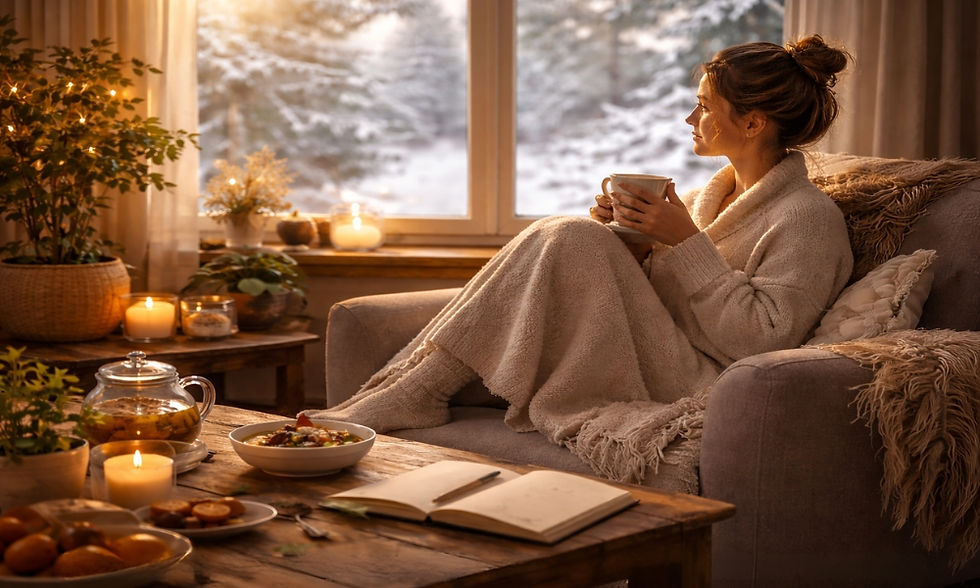
Seasonal context plays a meaningful role here. Winter, in particular, is described as a time when slower mornings, heavier meals, and earlier evenings are natural responses. Instead of resisting these shifts, current wellness perspectives encourage working with them.
This mindset allows people to feel less pressure to maintain summer energy during colder months and more permission to adjust expectations.
Personal Awareness Tools and Gentle Insight
Technology continues to appear in wellness conversations, but the tone has changed. Recent reporting suggests that people are becoming less interested in constant tracking and more focused on understanding patterns.
Personal awareness tools are often discussed as ways to:
Observe sleep and energy rhythms
Reflect on daily habits without judgment
Support mindful adjustments over time
Rather than offering answers, these tools are positioned as mirrors. They help people notice trends in their own routines while leaving space for interpretation.
This reflects a broader shift away from performance metrics and toward personal insight. Awareness is becoming more valuable than precision.
Home as a Foundation for Balance
Another recurring theme in lifestyle coverage is the role of the home environment. As daily life becomes more demanding, people are paying closer attention to how their surroundings influence mood and focus.
Articles frequently mention small, intentional changes such as:
Softer lighting during the evening
Natural materials and calming textures
Quiet corners reserved for rest or reflection
These adjustments are not presented as design trends. Instead, they are described as practical ways to support daily rhythms and reduce sensory overload.
The home is increasingly seen as a place where the nervous system can slow down and where routines can unfold with less pressure.
Wellness Beyond the Individual
Recent reporting also highlights a growing recognition that wellbeing is not only personal. Community based wellness initiatives are becoming more visible across the United States.
These shared efforts often focus on:
Participation rather than performance
Education rather than instruction
Connection rather than competition
Local programs, group challenges, and shared learning spaces reflect the understanding that habits are easier to sustain when supported socially.
Wellness is increasingly shaped by relationships, shared experiences, and a sense of belonging.
Seasonal Simplicity as the Defining Trend
Across the articles reviewed, one theme stands out consistently. Wellness in early 2026 is closely aligned with seasonal rhythms.
Winter routines emphasize warmth, rest, and nourishment. As daylight slowly increases, attention shifts toward renewal without urgency. This seasonal approach encourages patience and respect for natural transitions.
Rather than pushing for immediate change, people are being invited to move gradually and attentively through the year.
Seasonal simplicity does not mean doing less. It means doing what fits the moment.
Everyday Practices Reflecting This Shift
The practices most often discussed in recent wellness coverage are familiar, yet newly appreciated. They are framed not as goals, but as ongoing experiences.
Common practices include:
Eating with awareness rather than restriction
Moving the body for comfort and enjoyment
Treating rest as essential rather than optional
Recognizing emotional states as part of daily life
These habits are described with sensitivity to real world demands. The emphasis is on listening, adjusting, and responding gently rather than enforcing strict routines.
This approach allows wellness to remain flexible and sustainable over time.
How This Perspective Shapes the Year Ahead
As 2026 continues, wellness conversations are expected to deepen this focus on integration. Rather than introducing new layers of complexity, future discussions are likely to refine how people relate to their daily routines.
Emerging themes include:
Refining habits instead of adding new ones
Recognizing when to slow down and simplify
Returning to foundational practices during times of stress
Wellness is increasingly understood as balance maintained through change rather than a fixed state to achieve.
Closing Reflection
Early 2026 offers a quieter vision of wellness. It is shaped less by urgency and more by intention. Across recent U.S. wellness reporting, the most consistent message is simple.
Wellbeing grows from everyday choices that feel supportive, realistic, and aligned with seasonal rhythms.
By paying attention to rhythm rather than rules, people are finding ways to care for themselves that feel steady, grounded, and sustainable over time.
References
Healthline. Wellness Trends to Watch in 2026.https://www.healthline.com
The New York Times Well. How Simpler Habits Are Reshaping Wellness.https://www.nytimes.com/section/well
MindBodyGreen. Why Sustainable Wellness Is Replacing Extreme Health Trends.https://www.mindbodygreen.com
Medical News Today. Lifestyle Patterns That Support Long Term Wellbeing.https://www.medicalnewstoday.com
Cleveland Clinic Health Essentials. Everyday Habits and Seasonal Wellness.https://health.clevelandclinic.org


